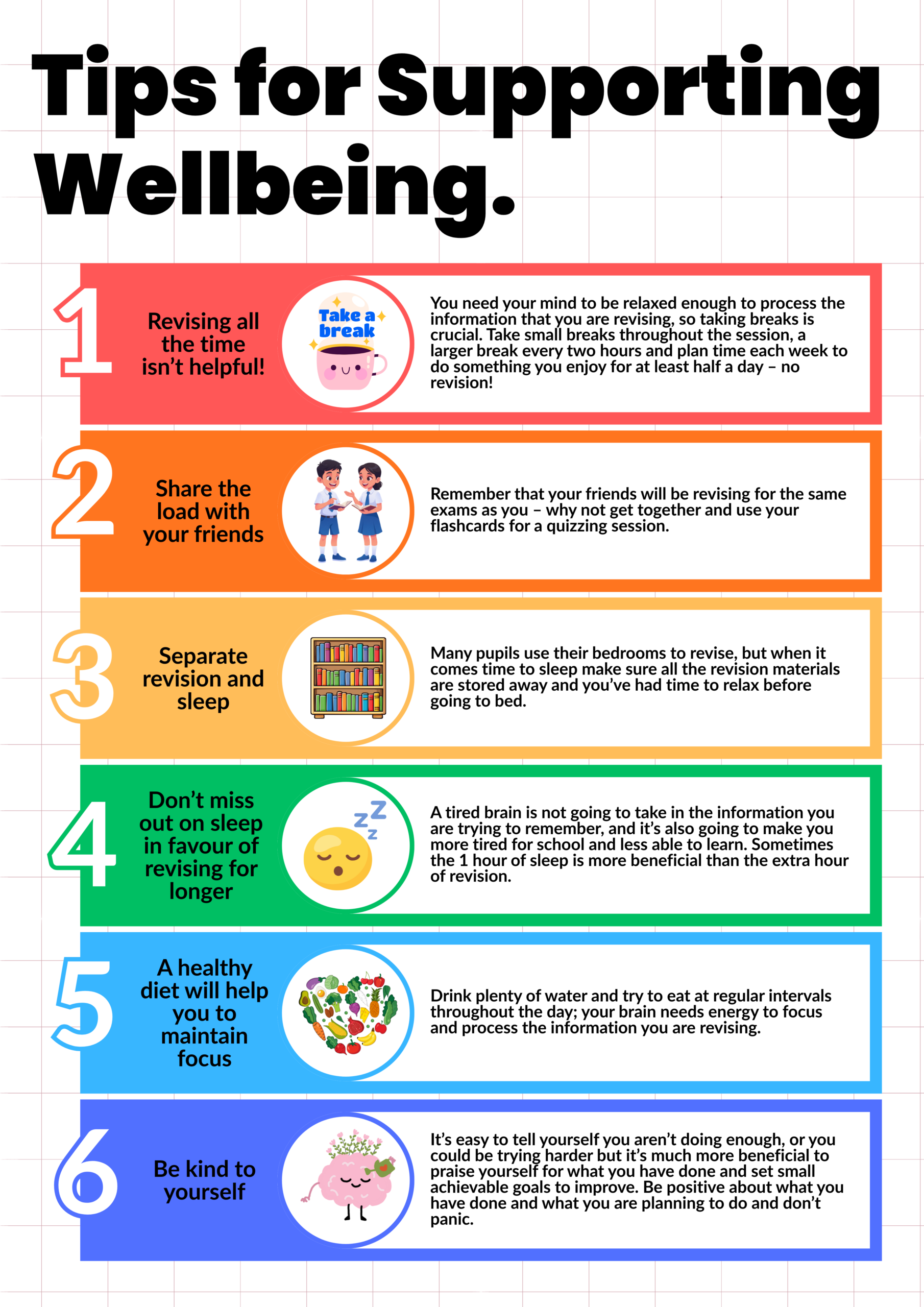
Revision Resources
This page provides guidance on effective revision strategies and recommended resources for each subject area. Pupils will find practical advice on how to revise efficiently, alongside subject-specific materials designed to support learning and exam preparation.
Spaced Retrieval Practice for Revision
Spaced retrieval practice is a highly effective revision strategy that combines two evidence-based approaches: retrieval practice (actively recalling information from memory) and spacing (revisiting content over increasing intervals of time). Rather than re-reading notes or cramming, pupils regularly test themselves on previously learned material, allowing time to pass between each review.
This works by:
- Strengthening long-term memory: Actively retrieving information makes learning stick more than passive study methods such as re-reading notes.
- Counters forgetting: Overtime the brain forgets information no matter how hard you try to remember. Spacing revision of topics out over time interrupts the natural “forgetting curve,” helping knowledge move into long-term memory and increasing your chances of remembering key pieces of information when you need it most.
- Improves understanding and transfer: Regular retrieval helps pupils to recall knowledge more quickly and apply knowledge more flexibly in exams.
How pupils can use spaced retrieval
- Use short quizzes, flashcards, or practice questions.
- Revisit topics after increasing intervals (e.g. 1 day, 1 week, 1 month).
- Mix previously learned content with new material to strengthen recall.
When used consistently across subjects, spaced retrieval practice is one of the most powerful ways pupils can improve retention, understanding, and exam performance over time.
Subject Revision Resources
Art, Craft and Design curriculum
Throughout Art, practitioners create work using the Visual Elements, also known as Formal Elements. The following website contains knowledge content, videos and quizzes. These have been generated to help break the Visual Elements so pupils can understand them in more depth. https://www.bbc.co.uk/bitesize/topics/z9kmhyc
When completing an Artist analysis the following website allows pupil to break down the key principles. It highlights key discussion points and explains Art terminology in depth. https://www.studentartguide.com/articles/how-to-analyze-an-artwork
We do not recommend a particular revision guide for this subject but instead we recommend the resources above.
To do well in GCSE Combined Science, GCSE Biology, GCSE Chemistry and GCSE Physics, it is beneficial for pupils to focus their revision on their individual needs. Each pupil has received a letter from their class teacher outlining their strengths and areas for improvement, based on end-of-topic tests and mock exams. This letter should be used to guide their revision and help them decide which topics and skills to prioritise.
Pupils should use the helpful resources provided by the school, such as KayScience, Carousel, and Knowledge Organisers, to review important topics and practise exam questions targeting their weaker areas. Pupils have also received revision guides and flashcards, which are useful for learning definitions, key processes, and equations.
In addition to school resources, pupils might find online platforms such as Cognito and FreeScienceLessons on YouTube useful for clear explanations and topic summaries. These resources can support their revision, but pupils should remember to focus mainly on the areas highlighted in their feedback letter.
By using their feedback and making good use of revision resources, pupils can make their study time more focused and effective and be better prepared for the GCSE Biology exams.
RO67 Revision cards on HERE.
Pupils are encouraged to use past papers placed on Teams and Class Charts to practice exam questions under timed constraints.
Recommended YouTube video series to support revision HERE.
A recommended revision guide: Cambridge National in Enterprise and Marketing Revision Guide and Workbook: Level 1/Level 2
To do well in GCSE Chemistry, it is beneficial for pupils to focus their revision on their individual needs. Each pupil has received a letter outlining their strengths and areas for improvement, based on end-of-topic tests and mock exams. This letter should be used to guide their revision and help them decide which topics and skills to prioritise.
Pupils should use the helpful resources provided by the school, such as KayScience, Carousel, and Knowledge Organisers, to review important topics and practise exam questions targeting their weaker areas. Many pupils have also received revision guides and flashcards, which are useful for learning definitions, key processes, and equations.
In addition to school resources, pupils might find online platforms such as Cognito and FreeScienceLessons on YouTube useful for clear explanations and topic summaries. These resources can support their revision, but pupils should remember to focus mainly on the areas highlighted in their feedback letter.
By using their feedback and making good use of revision resources, pupils can make their study time more focused and effective and be better prepared for the GCSE Chemistry exams.
Our pupils study OCR GCSE Computer Science, and effective revision is essential for success in both Paper 1 (Computer Systems) and Paper 2 (Computational Thinking, Algorithms and Programming). To support high-quality independent study, we recommend a structured approach that blends retrieval practice, exam-style questions, and targeted use of high-quality online resources.
Regular retrieval practice
Pupils should revisit key knowledge frequently using the Knowledge Organisers available on SharePoint. Short, regular recall sessions significantly improve long-term memory and understanding of the core concepts.
Exam question practice
Applying knowledge to exam-style questions is vital. Pupils are encouraged to use:
- Past papers
- Exam question topic packs (available on SharePoint)
These help build confidence, exam technique, and familiarity with OCR question styles.
Algorithm-a-Day activities
- Daily algorithm practice, available on SharePoint, supports the development of computational thinking, logical reasoning and pseudocode/flowchart fluency.
Recommended Online Resources
To complement in-school materials, pupils may find the following resources particularly helpful:
- Craig and Dave YouTube playlist – concise explanations tailored to the OCR specification.
- CSNews YouTube videos – clear topic walkthroughs and visual explanations.
§ Physics & Maths Tutor (PMT) – revision notes, flashcards, and topic-by-topic exam questions for OCR GCSE Computer Science. https://www.physicsandmathstutor.com/computer-science-revision/gcse-ocr/
These resources, combined with consistent practice and strong organisation, will help pupils feel confident and well-prepared for their examinations.
The following resources will support success in all components of the BTEC Dance course.
100 Contemporary Dance Moves: https://youtu.be/GK7q-LBC36g
Italia Conti Workshop: https://youtu.be/-VK2hNMfetE
Lighting for Modern Dance Performances: Tips For Lighting Modern Dance Performances | Live Design Online
The course specification explains what each component of the course involves and how these will be assessed. There are two coursework components totalling 60% of the final mark and a practical exam for 40% of the final mark, which will be sat in the Summer of Year 11 - Specification - Pearson BTEC Level 1/2 Tech Award in Performing Arts 2022
The recommended revision resources below will support pupils with core knowledge for all components of their course -
- BBC Bitesize Drama - Is full of information linked to the topics covered in Drama for both KS3, GCSE and BTEC. There are also revision activities which you can complete too.
- Recommended Revision Guide: Pearson Revise BTEC Tech Award Performing Arts Revision Guide.
A number of resources are available to pupils on Sharepoint including past papers and up to date Steps and Stems. Additional revision can also be completed on Educake, in addition to homework tasks set.
GCSE Language and Literature - https://www.bbc.co.uk/bitesize/levels/z98jmp3. For language this includes guidance on different exam questions and for literature, summaries of plots and key themes for the texts we study.
English Literature GCSE Edexcel recommended resources:
- CGP revision guides of Blood Brothers, A Christmas Carol, Romeo and Juliet, Conflict poetry
- Romeo and Juliet https://www.bbc.co.uk/bitesize/topics/zt32frd and https://www.litcharts.com/lit/romeo-and-juliet
- Blood Brothers https://www.bbc.co.uk/bitesize/topics/z92gj6f
- A Christmas Carol https://www.bbc.co.uk/bitesize/topics/zgwyk7h
- Poetry https://www.bbc.co.uk/bitesize/topics/zqnx2p3
- Conflict poetry on YouTube - Mary Meredith provides a comprehensive analysis of the poems and context: https://youtu.be/NpMviItqdk8?si=gWk4nJEH7JS7yyed
- A Blood Brothers production is available on YouTube for plot recall and revision: https://www.youtube.com/watch?v=dvek0bj451Y
English Language GCSE AQA recommended resources:
These revision guides have been handpicked to help you with your hospitality and catering studies throughout year 10 and 11. They contain all of the content that you will need to achieve highly in Unit 1 and Unit 2. You do not need to purchase both of these revision guides; one is sufficient. Each will present information in a slightly different style and we advise picking the guide that best suits your learning style.
Recommended Revision Guide:
WJEC Vocational Award Hospitality and Catering Level 1/2: Study & Revision Guide HERE
My Revision Notes: WJEC Level 1/2 Vocational Award in Hospitality and Catering HERE
To support your success in GCSE French, we recommend:
- Accessing past papers and revision materials on SharePoint
- Logging on to www.languagenut.com – complete any assignments set by your teacher and then Secondary/ French/ Exam Skills to access a range of exam skill practice
- Logging onto Pearson Active Hub – you will need your log in from your teacher to practise vocab, grammar and past exam questions
- Go onto your class TEAMS area where your teacher has placed revision material
- Some of the following generic revision websites may be useful
- French GCSE BBC bitesize
- Seneca
- Languages Online
Below is a selection of some of the Geography department’s recommended websites to help aid independent work and revision:
These websites are brilliant for developing your knowledge and understanding. Once you have done that, there are lots of quizzes and revision strategies given.
- http://www.coolgeography.co.uk/
- www.internetgeography.net/aqa-gcse-geography/
- https://senecalearning.com/en-GB/
The Green and Orange revision guide from Oxford Revise is brilliant for supported revision. Each section has retrieval questions, exam questions and an overview of the key concepts. There is also a QR code for each of the sections with all the answers too!
To support your success in GCSE German, we recommend:
- Accessing past papers and revision materials on SharePoint
- Logging on to www.languagenut.com – complete any assignments set by your teacher and then Secondary/ French/ Exam Skills to access a range of exam skill practice
- Logging onto Pearson Active Hub – you will need your log in from your teacher to practise vocab, grammar and past exam questions
- Go onto your class TEAMS area where your teacher has placed revision material
- Some of the following generic revision websites may be useful
- German GCSE BBC bitesize
- Seneca
- Languages Online
Has your child been to paper society yet? If not. then pop along to the maths department every Thursday night. During the sessions, you can practise your exam technique and get guided help from our team of maths teachers. Sessions are on every Thursday from 3:10 pm until 4:10 pm. The best method to revise maths is to practise exam questions, all of which are provided for you to use during paper society and to take away with you to continue with at the end of the session.
We recommend the CGP revision guide and workbook for Edexcel which can be purchased through WeDuc or independently via Amazon or other retailers.
This is a selection of some of the Maths department’s favourite websites to help aid independent work and revision completed at home :
https://www.drfrost.org/
Log onto the system using your unique login and password, once on the system you can access past papers, clean up tasks and search for any topic at the top using the search function to support on topics and exam prep.
https://www.mathsgenie.co.uk/gcse.php
The GCSE revision tab is particularly useful and has revision notes and model answers with questions along with questions for you to attempt and then also the solutions for these questions. The pdf document attached also gives quick access to each of the topics revision video, questions and mark scheme.
https://www.bbc.co.uk/bitesize/examspecs/z9p3mn
This is the new version of BBC bitesize which has been updated with the resources for the new specification, it has guided run through on techniques, video clips, activities and tests to complete. This covers all topics on the new GCSE specification.
https://mrbartonmaths.com/#resources
This website gives you a whole variety of resources from past exam papers (remember these are the old specification papers) to “walking and talking notes”, it also has revision notes on the majority of topics and includes a lot more, it is well worth a look around to see what is available!!
https://corbettmaths.com/
This has questions and practice papers to access on the website along with videos on how to complete some of the practice papers. There is also a “5 a day section” which allows you to practise 5 different questions from 5 different topics for every day of the year.
http://onmaths.com/
Please remember the predicted paper is only what they think – there is no guarantee that these questions or topics will come up. The computer only awards marks for fully correct answers and not working out and the marks down the side may change for the real exams as they are only rough guides.
Below are recommended resources to support success in all the examination component of BTEC Sport.
https://quizlet.com/gb/117816849/btec-sport-revision-flash-cards/ is a revision resource with video tutorials for each topic on their component 3 exam. The website also has flashcard quizzes for each topic so pupils can self-quiz.
https://theeverlearner.com/courses/physical-education/all – is a revision resource with video tutorials for each topic on their component 3 exams. The website also has quizzes for each topic so pupils can self-quiz.
BBC Bitesize GCSE 10/11 - https://www.bbc.co.uk/bitesize/examspecs/zxbg39q
Below are recommended resources to support success in GCSE Psychology.
In addition to the resources shared by staff on Share Point, https://quizlet.com/24669925/aqa-gcse-psychology-memory-flash-cards/ is a revision website where you can complete quizzes and view resources on each topic. Make a free account and then search GCSE AQA and the name of the topic you want to revise.
Below are recommended resources to support success in GCSE Sociology.
https://quizlet.com/en-gb/content/gcse-sociology-revision. Use this to access free revision aids and tests to help with sociology revision.
https://www.brainscape.com/subjects/gcse-sociology Use this to access flashcards for topics and exam papers, content and information to help with your exams.
https://senecalearning.com/en-GB/revision-notes/gcse/sociology/aqa Use this for content consolidation and quizzes.
Access AQA GCSE Sociology exam papers here: https://www.aqa.org.uk/subjects/sociology/gcse/sociology-8192/assessment-resources
In addition, don’t forget to get yourself a revision guide: https://collins.co.uk/collections/revision-gcse-ages-14-16-collins-gcse-9-1-sociology-revision/products/9780008227456
The following website can support with looking at different aspects of the OCR specification:
https://www.bbc.co.uk/bitesize/topics/zgnq6rd
When completing an artist analysis the following website allows pupils to break down the key principles. It highlights key discussion points and explains Art terminology in depth. https://www.pupilartguide.com/articles/how-to-analyze-an-artwork
Below are recommended resources to support success in BTEC Media.
The course specification explains what each component of the course involves and how these will be assessed. There are two coursework components totalling 60% of the final mark and a practical exam for 40% of the final mark, which will be sat in the Summer of Year 11 - HERE.
The recommended revision guides below will support pupils with core knowledge for all components of their course -
https://www.amazon.co.uk/National-Creative-Production-Revision-Nationals/dp/1292150238
Below are recommended resources to support success in GCSE PE.
GCSE PE –– https://theeverlearner.com/courses/physical-education/all is a revision resource with video tutorials for each topic for Component 1 and Component 2 exams with a specific focus on the Edexcel GCSE course. The website also contains quizzes for each topic so pupils can self-quiz.
GCSE PE –– https://www.bbc.co.uk/bitesize/examspecs/zxbg39q contains revision resources with video tutorials for each topic for Component 1 and Component 2 exams with a specific focus on the Edexcel GCSE course. The website also contains quizzes for each topic so pupils can self-quiz.
For support with Sikhism and Christianity we recommend BBC bitesize as they have a selection of religion specific materials. BBC Bitesize is also very useful for revising basic beliefs and has a bank of quotes which can be used in exam question responses.
AQA GCSE Religious Studies A: Christianity Revision Guide (GCSE Religious Studies for AQA) this is an excellent guide for the revision of Christianity. Unfortunately they have not yet published one for Sikhism.
Alternatively you could purchase the text books:
GCSE Religious Studies for AQA A: Christianity ISBN-13 978-0198370338
Religious Studies A Sikhism (GCSE Religious Studies for AQA) ISBN-13 978-0198370376
Past papers can be found on the exam board website here: GCSE - Religious Studies (9-1) - J625, J125
Below is a selection of some of the History department’s recommended websites to help aid independent work and revision:
Mr Smith’s History channel - https://www.youtube.com/channel/UCYaafb49H7CzbY2redCekFg
All of the revision guides available for each of the 4 topics are great for breaking down content into manageable chunks. There are also a variety of exam questions along with suggested answers in the back of the books. Ideal for self-quizzing.
Seneca Learning is great for creating revision resources such as flash cards and also for quizzing.
Other revision resources are made and given out in school such as knowledge organisers and essay plans. They are also available on Share Point for all pupils to access.
Pupil revision guide – This is an excellent resource packed with all of the information required for the exam, practice tasks with answers and top tips for answering each section of the exam. HERE
Quizlet – this resource allows pupils to test themselves on the Component 3 content, make their own revision notes and complete matching activities. HERE
Revision Strategies

Revision Timetables
It’s important to plan what you are going to do, and not just revise the subject you feel like doing – this often means you miss out what you find difficult and actually need more time on. Create a plan each month, and consider not only which subjects you are going to do each time but also which topics, make sure you cover everything over a month.
Have you considered the 2357 method?
When you have an upcoming assessment, make sure this is on your revision timetable too. Plan a revision session the night before, 2 days before that, 3 days before that, 5 days before that and 7 days before that (see the example below). By doing this you are returning to subjects and topics at regular intervals which is scientifically proven to help retention.
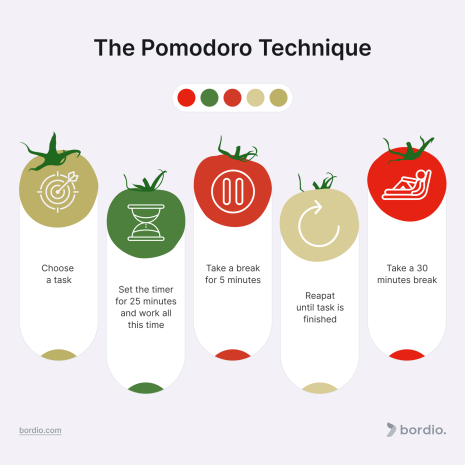
Pomodoro Method
A 3 hour revision session might sound impressive, but actually the amount that you are taking in after the first half an hour drops significantly. It is best to take small breaks and rest your brain. The Pomodoro method suggests 4 x 25 minute revision sessions broken up by 5 minute breaks. After this take a longer break before doing anymore.
Example:
Session 1: 25 minutes – Biological Molecules
BREAK 5 MINUTES
Session 2: 25 minutes – Biological Molecules
BREAK 5 MINUTES
Session 3: 25 minutes – Cells
BREAK 5 MINUTES
Session 4: 25 minutes – Exchange of Substances
BREAK 30 MINUTES
Past Paper Questions
Exam board websites have a wealth of materials to support your revision – in particular past papers and mark schemes. You can either look for questions on topics you find difficult or complete full past papers to cover a range of topics. Once completed, it is important to use the mark schemes to review your answers and see where you might have gone wrong – if you are not sure, bring the paper in to your teacher and ask them to take a look.
Using the mark schemes for past papers is an important step in understanding what the exam board are looking for in different scenarios. Once you’ve had a go at questions and marked them, try redoing the ones you found difficult using the mark scheme to craft perfect answers.
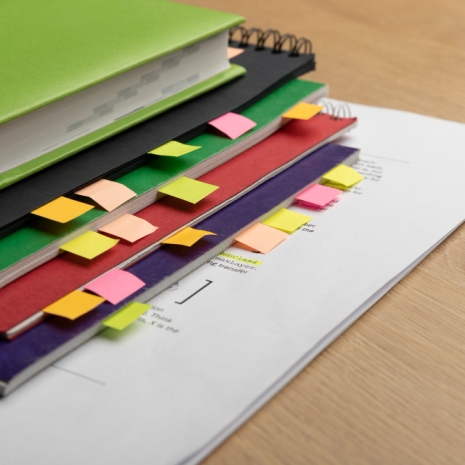
Knowledge Organisers
For every subject you should be provided with knowledge organisers, summarising the key content for each topic. These can be used in a variety of ways:
To support you in creating mind maps, flash cards and other revision notes
To practise recall – cover a section and see how much you can rewrite. Or go the whole way, and start with a blank copy and try and recreate it
Use the content of the knowledge organiser to write a series of recall questions you can use to quiz yourself, or for friends and family to use to quiz you.

Flash Cards
Flashcards are a really popular, and really effective, way to revise when they are used properly. Simply reading through them over and over again isn’t going to cut it.
The best flash cards have a question on one side and concise information on the other. This way you can use the questions to encourage active recall and have the correct information on the other to check your answers. You can also ask a friend or family member to use them to test you as well.
Why not take it a step further and try the Leitner System?
This method suggests sorting cards not by topics, but by how well you know the information on them. Cards that you often make mistakes with go into group 1, cards you know perfectly go into group 3 and any you are missing details with go into group 2.
Group 1 cards get revisited every day, group 2 cards every 3 days and group 3 cards every 5 days. Cards can move groups as you become more confident, and if you start making mistakes on the group 2 or 3 cards they drop down to group 1.

Mind Maps
Mind maps are particularly useful for presenting large amounts of information at a time, and for showing the connections between this. However, they quickly become crowded and disorganised if not structured properly.
Ways to make an effective mind map:
- Use an A3 sheet of paper is possible - if you only have A4 you may need to split topics down into smaller sections so you don’t overcrowd the paper
- Colour code different sections so the topics are clear
- Draw the connections, and add a description.
Once you have your finished mind map, try covering up a section at a time and testing how much you can recall – a friend or parent can also test you on this. Make a note of which branches you could not complete and prioritise revising these.
FAQs
Create a little reward system for yourself. This works really well with small treats such as jelly beans or chocolate buttons – you can reward yourself every 10 flash cards for example. Or if you want something bigger, allow yourself time to scroll on Tik Tok or play a game every 2 hours for example.
Phones are one of the main causes of distraction, try putting it on airplane mode to stop those notifications or better yet leave it in another room whilst you complete your revision and come back to it as your reward for finishing. If you find noise to be distracting, try ear plugs or noise cancelling headphones with some calming music that won’t attract your attention.
If you don’t know where to begin, look at your recent assessments and identify the topics where you lost marks and speak to your teachers about what topics they would recommend as starting points for you. You can also try some retrieval practice to identify where your gaps are using your knowledge organisers or a blurting approach; set yourself a short timer and write down as much as you can about a topic. After the timer ends compare this to your revision materials to identify the gaps in your recall.
Start with the subject that you find most difficult, it might be the one you dread but it needs the most care and attention if you are going to improve. Create a revision timetable that ensures you give time to all of your subjects, but don’t shy away from the hard work on those that you find most difficult.
A revision timetable will help with this, as you’ll make a plan that ensures all subjects get attention. During revision sittings, use a timer to remind you to take breaks every 25 minutes and let your mind relax a little before continuing.